You can right- click on a drive in My Computer and select . Alternatively you can run .

You can also add . At last click on OK button and it'll free up good amount of disk space in your computer. You can get more than 1. GB free space after using Disk Cleanup.
BONUS TIP: Many times when you upgrade your Windows to a new version, you may notice that a new folder . This folder can be very large in size approx.
Run Windows 98 programs in Windows 7 We show you how to run programs from Windows 98 in Windows 7 (and Windows 8). How to run old programs in new Windows. How to recover data after installing/reinstalling Windows 10/8/7/Vista/XP. 5:00 PM 11/9/2015. Installed Windows 7 on laptop or desktop computer and all files are gone. Here is the one way to do it.
It contains system files of the previously installed Windows version. You can remove this folder to get a lot of free disk space. Just select . Make sure to check the content of this folder before removing it. If you find something useful, you can take a backup of that file first. STEP 2: Empty TEMP Folder. You can also empty TEMP (just type TEMP and %TEMP% one by one in RUN dialog box and press Enter) and C: \Windows\Prefetch folders regularly to free up disk space. Also check: Where Does Windows Store Temporary Files?

STEP 3: Empty Browser Cache and Cookies. Also empty temporary Internet files (cache and cookies) of your web browser to get some free space.

STEP 4: Disable Hibernation. Disable Hibernation from .


Disabling this feature will free up 1. GB+ disk space. STEP 5: Turn Off System Restore. Open . Don't use this trick if you use System Restore. If you disable it, Windows will not create system restore point in future and it'll not waste any valuable disk space. STEP 6: Remove Windows Updates Uninstallation Folders.
You can also delete all updates uninstallation folders which can be found in C: \Windows folder. All these folders will be hidden and their names will start with $Nt.

Uninstall (or similar term). Keep in mind that after deleting these folders you'll not be able to uninstall any Windows update. Also check: . This service runs in background and checks for system files status. Whenever it finds that a system file has been changed/modified, it replaces the new file with the original file stored in . Now you can safely delete all files present in this folder.
Adjust to Windows 7. Windows 7 isn’t hugely different from Windows XP, but some things have certainly changed. To get settled in, consult our Windows 7 guide for ex. Recently we told you that Windows 7 and Windows 8.1 users can free upgrade to.
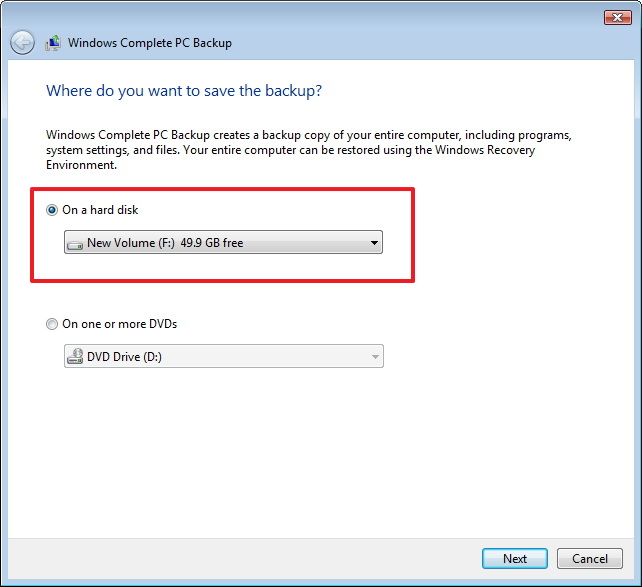
It'll give you approx. GB free disk space. STEP 8: Delete Temporary Files.
Open Windows Search and copy paste following code in search box and perform a search: *. Make sure to check all the files before deleting. You'll get 1. 00's of files after searching, simply select them all and delete them. PS: Please check the files before deletion! It'll delete all readme files, backup files, log files, etc. So deselect the files which you don't want to delete. STEP 9: Delete Unnecessary Image Files.
You can also delete several BMP files present in C: \Windows folder which are used as wallpapers in Desktop Properties. You can also delete all files in C: \Windows\Web\Wallpaper folder. All files in this folder are also used as wallpapers.
STEP 1. 0: Delete Unnecessary Video Files. You can also delete all video files present in C: \Windows\system. These files are used when Windows runs for the first time after installation.
That's all. You can apply all above mentioned methods to get lots of free disk space in Windows. You can also use 3rd party Utilities such as Tuneup Utilities, System Mechanic, etc to free up some disk space but these utilities also use most of the above mentioned techniques. Also Check: Share this article: Facebook.


/http%3A%2F%2Fwww.airfrance.fr%2Fcommon%2Fimage%2Fnouveaux_templates%2Fsalons%2Fsalon_visuel_1.jpg)
/https%3A%2F%2Fmedia-cdn.tripadvisor.com%2Fmedia%2Fphoto-s%2F01%2F47%2F38%2Fec%2Fmujer-de-cachi-salta.jpg)
/http%3A%2F%2Fwww.cracksfiles.com%2Fwp-content%2Fuploads%2F2015%2F01%2FRealtek-Hd-Audio-Codec-Driver-For-Windows-7-64-bit-Full1.jpg)
/http%3A%2F%2Fimg.gimpguru.org%2Fnimg%2F7b%2F0c%2F45e72f4e68aed62da8153029d578-200x200-1%2Fforging_gearbox_strong_style_color_b82220_straight_bevel_strong_gear_for_agriculture_machines_rotary_cutter.jpg)